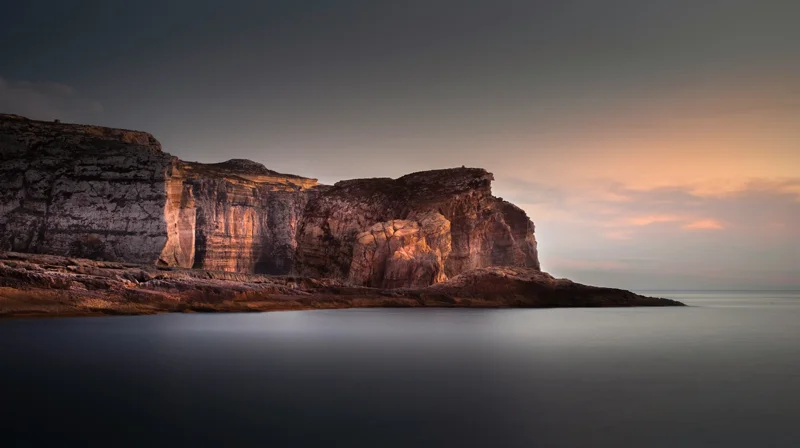
Malta sea temperatureMalta swimmingGozo sea temperaturewhen to swim MaltaMalta water temperature by month
Malta Sea Temperature Guide: When Is the Water Warm Enough to Swim?
A complete guide to sea temperatures around Malta and Gozo throughout the year — find out when the water is warm enough to swim, snorkel and dive.
Contents
Top Malta Solar Company
Virtue SolarisSolar Energy Malta
Malta's #1 Solar Panel Installer
Take advantage of Malta's 300+ sunny days a year. Virtue Solaris designs,
supplies, and installs premium photovoltaic systems for homes and businesses
across the Maltese Islands — with full after-care and government-grant support.
✓
Certified MCS & REWS installers
✓
Free site survey & no-obligation quote
✓
Up to 40% savings on energy bills
✓
Mention WEATHER MALTA for a Bluetti discount coupon!
Want to feature your advert? Email Weather Malta on [email protected] with your specs today!
Malta's Mediterranean Waters: An Overview
The sea around Malta and Gozo is one of the islands' greatest assets — clear, blue, and warm for a good portion of the year. Malta sits in the central Mediterranean at roughly 36° North latitude, which means its waters warm up significantly through summer and retain that warmth well into autumn. For swimmers, snorkellers and divers, knowing the sea temperature before you travel can make all the difference. This guide covers everything you need to know about Malta's water temperatures, month by month.
Sea Temperature by Month
Sea temperature around Malta follows a predictable annual cycle, lagging a few weeks behind air temperature as the ocean slowly absorbs and releases heat. The warmest waters occur in August and early September; the coldest in February and March. Here is what to expect throughout the year.
Winter Sea Temperatures (December to March)
In winter, Malta's sea temperature drops to its annual low of around 14–15°C. This is cold by most standards — a wetsuit is strongly recommended for anything more than a brief dip, and most casual swimmers will find it uncomfortably chilly. Divers, particularly those in drysuits or thick wetsuits, can have an excellent experience in winter — visibility is often outstanding and marine life is varied. The dramatic coastal scenery in winter is spectacular, but beach swimming is not the main draw.
Spring Sea Temperatures (April and May)
The sea begins warming in April, reaching around 16–17°C by mid-spring. By May, temperatures climb to 19–20°C — cool but manageable for confident swimmers. Many locals begin their swimming season in May, particularly at protected bays. A wetsuit or a rash vest can extend your comfort in the water at this time of year. The sea clarity in spring is excellent, and popular snorkelling spots are far less crowded than in summer.
Early Summer Sea Temperatures (June)
June brings a genuine transition. Sea temperatures reach 22–24°C — warm enough for comfortable swimming without any additional gear for most people. June is an ideal time for snorkelling and exploring Malta's famous sea caves, blue holes and rocky coves. The water is clear, the sun is strong, and the beaches have not yet reached their summer peak capacity.
Peak Summer Sea Temperatures (July to September)
July and August bring the warmest sea temperatures, typically 26–27°C — genuinely bath-warm. Swimming is effortless, and even non-swimmers are tempted in. Snorkelling is at its best, with underwater visibility sometimes exceeding 30 metres in sheltered bays. September remains excellent, with the sea retaining its peak warmth even as air temperatures start to ease and crowds begin to thin. Many experienced Malta travellers consider September the finest month for swimming.
Autumn Sea Temperatures (October and November)
October is still very swimmable — sea temperatures hover around 23–24°C, and many visitors enjoy comfortable swimming throughout the month. November sees a more notable drop to around 19–20°C, and while hardy swimmers will still take the plunge, most casual visitors will find it less inviting. Wind can become a significant factor in autumn, occasionally churning up the sea at exposed beaches.
Best Beaches for Swimming in Malta
Malta's coastline is rocky in many places, with sandy beaches concentrated on the north-west coast of the main island and around Gozo's interior. Choosing the right beach depends not just on personal preference but on wind direction — the sea at an exposed north-facing beach in a Grigal wind will be rough and uninviting even in summer.
Golden Bay and Ghajn Tuffieha Bay — Malta's most popular sandy beaches, sheltered from north-east winds.
Mellieha Bay (Ghadira) — Malta's largest sandy beach, ideal for families and calm conditions.
St. George's Bay, St. Julian's — convenient, lively, and sheltered.
Ramla Bay, Gozo — Gozo's finest sandy beach, a distinctive reddish-orange sand.
St. Peter's Pool, Marsaxlokk — a stunning natural rock pool, great for snorkelling.
Blue Lagoon, Comino — Malta's most iconic swimming spot; go early or off-season to avoid the crowds.
Xlendi Bay, Gozo — a picturesque inlet ideal for swimming and cliff jumping.
Diving and Snorkelling: Water Clarity and Visibility
Malta is ranked among Europe's top ten diving destinations, and for good reason. The water clarity around the islands is exceptional — underwater visibility of 20–40 metres is common, and the combination of warm water, rich marine life and fascinating underwater terrain makes for an unforgettable experience. The best diving conditions are from May through November, with peak visibility and warmth in July, August and September. Winter diving is possible and even rewarding for experienced divers, but a thick wetsuit or drysuit is essential. Key dive sites include the Blue Hole at Dwejra (Gozo), the Um El Faroud wreck near Wied iz-Zurrieq, and the reef system at Cirkewwa.
Practical Tips for Swimming in Malta
Check the daily sea state and wind forecast before heading to the beach — conditions can change quickly.
Most of Malta's coastline is rocky; water shoes are a worthwhile investment.
Blue flags are awarded to several beaches annually — these indicate good water quality and facilities.
Jellyfish (meduse) can occasionally appear in large numbers in summer; check locally if concerned.
Always obey warning flags at beaches with lifeguard services.
Protect yourself from sunburn — the Mediterranean sun is strong, and reflection off the water intensifies UV exposure.
Early morning is the best time to visit popular spots like the Blue Lagoon before day-trippers arrive.
Top Malta Solar Company
Virtue SolarisSolar Energy Malta
Malta's #1 Solar Panel Installer
Take advantage of Malta's 300+ sunny days a year. Virtue Solaris designs,
supplies, and installs premium photovoltaic systems for homes and businesses
across the Maltese Islands — with full after-care and government-grant support.
✓
Certified MCS & REWS installers
✓
Free site survey & no-obligation quote
✓
Up to 40% savings on energy bills
✓
Mention WEATHER MALTA for a Bluetti discount coupon!